WHS Brain, Mind and Behaviour Group
Cognition, behaviour, consciousness and brain health in headache and facial pain
What this Group is
The WHS Brain, Mind and Behaviour Group exists on a simple premise: headache is a disorder of the brain, and its consequences are not confined to pain.
Attention, memory, executive function, mood,behaviour, and over a lifetime the risk of cognitive decline, are all part of what people with migraine and other headache disorders actually live with. In most of headache medicine these are treated as comorbidities at the edge of the field. This Group treats them as central.
Our purpose is to bring the cognitive,behavioural and experiential dimensions of headache into the mainstream of classification, research, training and clinical care.
Why it Matters
Patients have described these problems for as long as headache medicine has existed. The evidence has now caught up with them.
- Cognitive symptoms are among the most disabling features of migraine, and among the least measured.
- Deficits in attention, memory, processing speed and executive function occur
between attacks, not only during them, and tend to worsen with attack frequency and chronicity. - Headache disorders, particularly chronic migraine, are associated with a moderately increased long-term risk of dementia.
- Behaviour shapes outcome throughout: avoidance, catastrophising, adherence, medication overuse and stigma often determine the course of the illness more than any single prescription.
- Yet cognition and behaviour appear in almost no headache classification system, few clinical trials, and very few clinics.
That gap is what this Group was formed to close.
Scope
The Group works across four connected domains.
1. Brain health across the life course
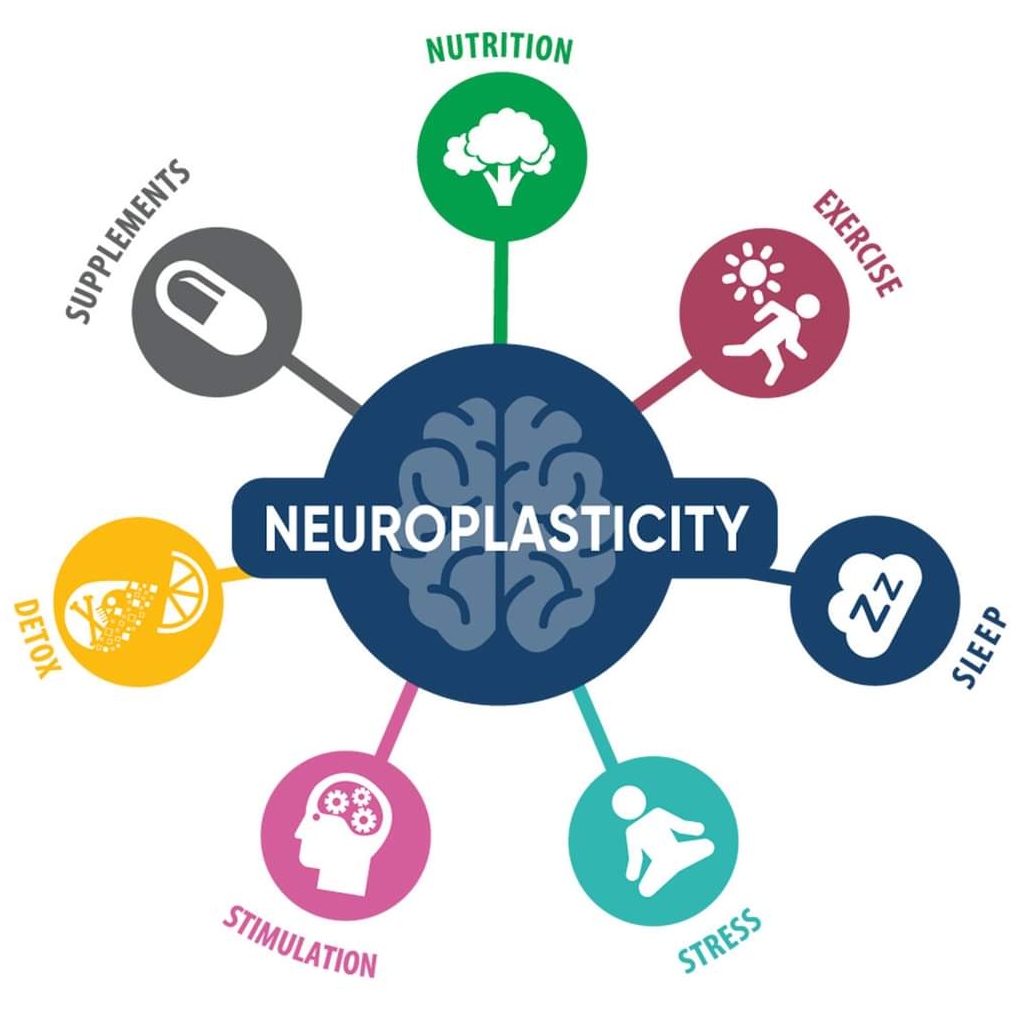
Headache as a window on the ageing brain.Vascular, metabolic, sleep and lifestyle contributors; modifiable risk; the relationship between headache disorders and later cognitive decline.
2. Cognition
Attention, memory, processing speed and executive function in headache disorders. Ictal,
interictal and chronic patterns. Measurement,screening and rehabilitation.
3. Behaviour
Mood and anxiety, avoidance and catastrophising, adherence, medication overuse, sleep behaviour, and the social and occupational consequences of chronic pain.
4. Consciousness and subjective experience
Aura, altered awareness and the phenomenology of pain, studied with the same rigour applied to any other clinical phenomenon. What patients experience is data, and it deserves careful description and honest measurement.
The World Headache Society is a global organisation dedicated to advancing the understanding, prevention and treatment of headache disorders through training, education, certification, accreditation, research and advocacy
Work Programme
Classification. The Group leads the development of two horizontal syndromes within the second edition of the WHS
Classification of Head, Neck and Face Pains:
HG19, Syndrome of Headache and Cognition, and HG20, Syndrome of Headache and Behaviour. These give clinicians a shared vocabulary for presentations that current systems leave unnamed.
Evidence synthesis. Maintaining a current, critically appraised summary of the literature on headache, cognition, behaviour and dementia risk, written for clinicians rather than for specialists in the subfield.
Clinical guidance. Practical recommendations on when and how to screen for cognitive and behavioural problems in headache clinics, and what to do with the findings.
Research. Encouraging multi-centre studies on interictal cognitive function, long-term outcomes, and behavioural interventions, with particular attention to settings where such data are scarce.
Education. Masterclasses, journal club sessions and teaching materials for practising neurologists, trainees and allied professionals.
Evidence brief: headache, cognition and dementia
What the current literature supports
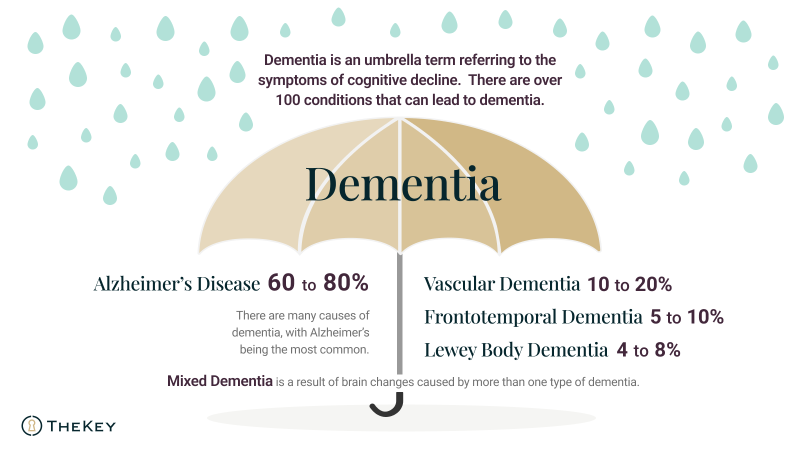
- Large-scale meta-analyses and cohort studies indicate that headache disorders, particularly migraine, are associated with a moderately increased risk of dementia,including Alzheimer’s disease and vascular dementia.
- Reported risk estimates for all-cause dementia in migraine typically fall between 1.2 and 1.4 relative to the general population, with higher estimates in chronic migraine and in women.
- Earlier age of migraine onset and greater attack frequency appear to raise risk further.
- Cognitive dysfunction can exist independently of pain episodes, most often affecting attention, memory, processing speed and executive function, including in younger adults. These deficits tend to worsen with chronicity and are more marked alongside cardiovascular, psychiatric or sleep comorbidity.
- Evidence for tension-type headache is less clear, though cognitive difficulty can still occur where headaches are frequent or comorbidities are present.
Proposed mechanisms
- Persistent neuroinflammation and glial activation.
- Shared genetic predisposition between migraine and neurodegenerative pathways.
- Repeated cerebrovascular and metabolic disturbance related to migraine pathophysiology.
- The cumulative effect of chronic pain related stress and behavioural adaptation.
What follows for practice
- Cognitive screening and patient education belong in the management plan for migraine and chronic headache, particularly in later life or when cognitive complaints arise.
- Cognitive complaints in headache patients deserve monitoring rather than reassurance alone.
- Early and effective headache management, together with attention to modifiable lifestyle risk, is a reasonable strategy while the causal questions remain open.
- Cognitive rehabilitation and behavioural intervention may improve quality of life where headache and cognitive impairment coexist.
What remains uncertain
Whether treating headache reduces future dementia risk is not yet established, and neither is the question of which patients are most at risk. Association is not causation, and the Group is committed to saying so plainly. Clarifying these questions is among our central research priorities
A wider horizon: brain health beyond headache
The questions this Group asks do not stop at headache. Once cognition, behaviour and longterm brain health are taken seriously in one disorder, the same logic applies across neurology, psychiatry and public health.
That reasoning led our Chair to convene the India Brain Forum, an independent platform working to make brain health a national priority in India and a field in which the country leads
the Global South. Its work spans the science of mind and cognition, the brain economy and artificial intelligence, population brain health and longevity, neurorehabilitation and inclusive capability, and governance and policy.
The two efforts are separate organisations with distinct governance. They share a conviction: that the brain is the foundation of how people learn, work, endure and age, and that headache medicine has something particular to contribute to understanding it. The World Headache Society will continue to work with the Forum and with other national and international bodies wherever the science and the patients benefit.
Leadership
Dr Pravin Thomas chairs the Group.
He is Founder and Chairman of the World Headache Society, and a Commissioner on the Lancet Commission on Neurorehabilitation. He is a neurologist specialising in headache and facial pain, and Director and Clinical Lead of Headache Services at Narayana Health, Bengaluru. He holds honorary and adjunct appointments at Queen Square UCL, Loyola University Stritch School of Medicine, and the National Institute of Advanced Studies, Bengaluru. He convenes the India Brain Forum. His qualifications include MBBS, MD (General Medicine), DNB (Neurology), PG Diploma in Clinical Neurology (UCL), Diplomate of the European Board of Neurology, FCCP, a Fellowship in Pain Management, and a Clinical Fellowship in Headache at the University of Birmingham. Group membership and co-leads will be listed here as they are confirmed.
JOIN US
Take part
The Group welcomes clinicians, researchers, trainees and allied health professionals with an interest in the cognitive, behavioural and experiential dimensions of headache. We are particularly keen to hear from those working on interictal cognition, dementia risk in headache populations, behavioural intervention, and the measurement of cognitive symptoms in routine clinical practice.
To express interest, write to info@worldheadachesociety.org with a short note on your interests and what you would like to contribute.